
I am a survivor of Lantana Camara. I have destroyed fields and fields of it using various methods like weedicides, fire, manual digging, and cutting. It is a noxious weed destroying the land and other plants nearby. In fact, Lantana is listed in the list of 100 of the world’s worst invasive species.
I had posted a reel on my Instagram, and it was the most viral one with around 5 million views.
People shared a lot of information and their experiences with it in the comments. So, I thought, why not make the ultimate guide about Lantana and discuss everything about it?
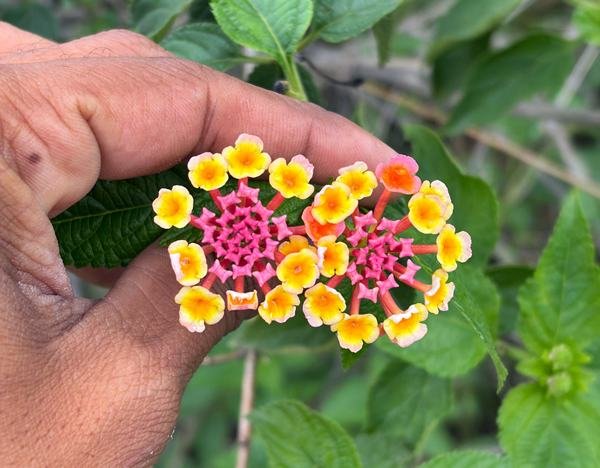
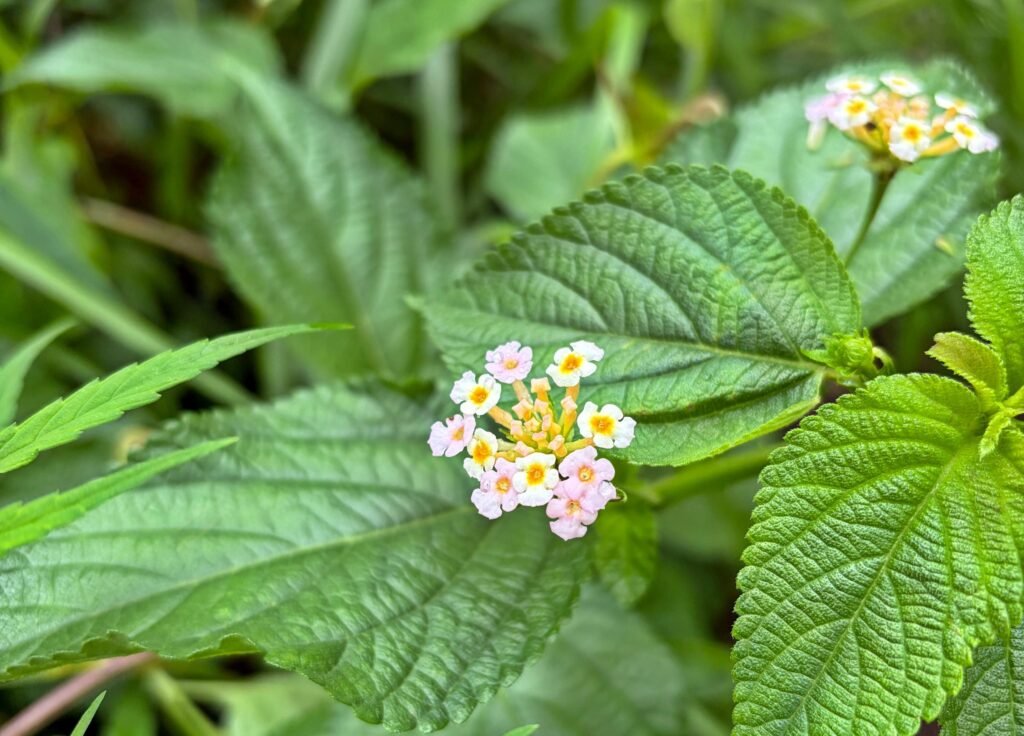
There are very few flowering plants that have had a greater global impact than Lantana Camara. Not only is it admired for its beautiful flowers, but its ability to thrive in harsh conditions is impeccable. It is a shrub that is widely cultivated for ornamental purposes. It grows rapidly, has long flowering seasons, and is drought tolerant.
Lantana Camara is native to the tropical regions of Central and South America. But, currently, it has spread to more than 60 countries after being introduced as a garden ornamental during the last few centuries.
If we talk about India, Lantana is not native here, but it is not taking over various regions. It is considered one of the top 10 most invasive species in the country. It was brought to India by the British as a garden plant. But it soon started invading the dry tropical areas. The threat was recognized around 1895 in the Indian Forester (1895), where an anonymous writer asks, “Lantana, a friend or an enemy?
Despite its bad reputation as an invasive plant species, Lantana camara is a fascinating plant. It changes the color of flowers as they age to attract pollinators more efficiently. Its berries provide food to many bird species, and nectar supports various insects and butterflies.
Why is Lantana so successful?
Unlike many flowering shrubs that require fertile soil and regular watering, Lantana camara can survive in very harsh conditions where other plants would die pretty easily. It can tolerate droughts remarkably well once established. It can grow in rocky, poor, sandy, or degraded soil.
Even if you prune, graze, or fire it up, it grows back in just one season. I have experienced it myself in my fields. I was amazed to see shrubs growing back even after I pulled the roots and burned the plants.
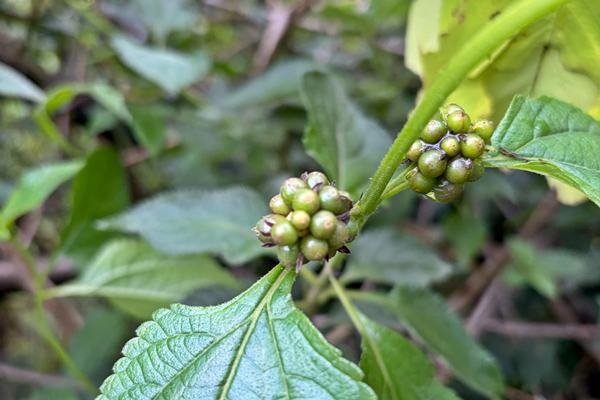
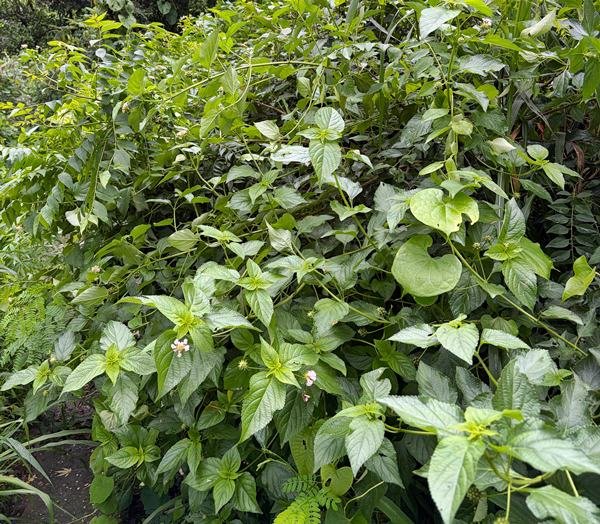
Another big reason for its success is that it produces a large number of bird-dispersing berries. Also, it flowers for longer periods, increasing reproductive success.
All these traits allow it to colonize disturbed habitats easily. You will find it covering locations like roadsides, abandoned farmlands, forest edges, and riverbanks.
More than just a garden plant
As I read more about it, lantana has two major reputations around the world. In my reel, there were people who were getting almost angry, saying that “I have this plant in my garden and it doesn’t invade anything”. While some were sharing their frustrations. So, the two viewpoints about this plant are as follows:
As an ornamental plant:
- Valued for its colorful blooms without the need for much care
- Attracts butterflies, bees, and other pollinators.
- Used in borders, containers, and butterfly gardens.
As an invasive species:
- Forms dense thickets that outcompete native vegetation.
- Prevents regeneration of young trees in some forests.
- Reduces grazing land for livestock.
Native Range and Global Distribution
One reason lantana is so well-known is its global spread. The major global expansion of lantana started during the 16th and 17th centuries. Current global distribution looks something like this:
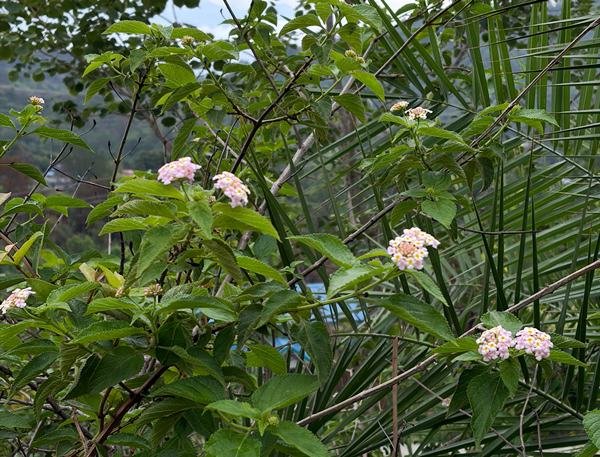
- Asia – India, Sri Lanka, Nepal, China, Thailand, Indonesia, Malaysia, and more.
- Africa – South Africa, Kenya, Uganda, Tanzania, Zimbabwe, and others.
- Australia – Especially along the eastern coast, where it is one of the country’s worst invasive weeds.
- Pacific Islands – Fiji, Hawaii, Papua New Guinea, and many island nations.
- North America – Southern United States (especially Florida and Texas), Mexico, and the Caribbean.
- South America – Both within its native range and in areas where cultivated forms have become naturalized.
- Europe – Mainly cultivated as an ornamental; outdoor survival is limited by cold winters.
So, it is almost everywhere and at most places it is destroying the local species and trying to cover the rugged spaces pretty fast.
Lantana as an Invasive species
Lantana is known for destroying native species and reducing biodiversity. You can find Lantana in habitats like agricultural areas, riparian zones, grasslands, forest margins, beach fonts, etc. Near my home, it covers the areas which are not cleared out by fire or manually.
What I have observed is that it requires an open space no matter what type of it. It hardly survive in the forests where long trees are available. It doesn’t care about the soil fertility, heat, or humidity. One it starts to grow, it just keep moving forward covering wider and wider areas.
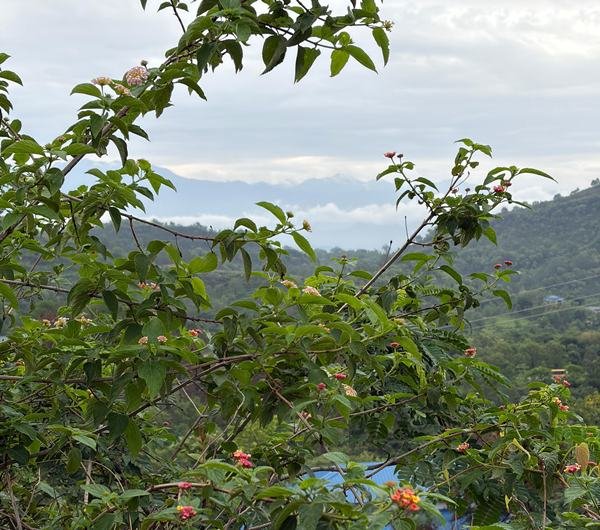
It has a great spread in the semi-forest areas. The places where generally the natural forests stops and human areas or agicultural land starts. It creates those huge umbrellas which restrict the sunlight to other plants nearby.
Another thing is it’s ability to change fire patterns due by increase the fuel load. The dry leaves can create inches and inches of dry layer below the bushes. The fire then spreads quickly and violently destroying other nearby natural ecosystem.
How Lantana supresses other plants?
Lantana Camara is an invasive species not only becaues it competes for sunlight, water, and nutrients but it also chemically interfere with the growth of other plants. This phenomenon is called allelopathy.
Allelopathy is a biological process in which a plant allelochemicals in the environment with the purpose to affect the germination, growth, survival, and reproduction of nearby plants. In Lantana camara, these chemicals enter the soil thgouth fallen leaves that decompose, rainwater washing chemicals from leaves, and root exudates released directly into the soil.
The main allelopethic compounds in Lantana Camara include Phenolic acids, Triterpenoids, flavonoids, and various volatile terpenes. However, allelopathy isn’t the only main reason why lantana is successful. It has all these combined features that makes it outgrow most nearby native species with a very high success rate.
How do we manage Lantana Camara and is the best way to do so?
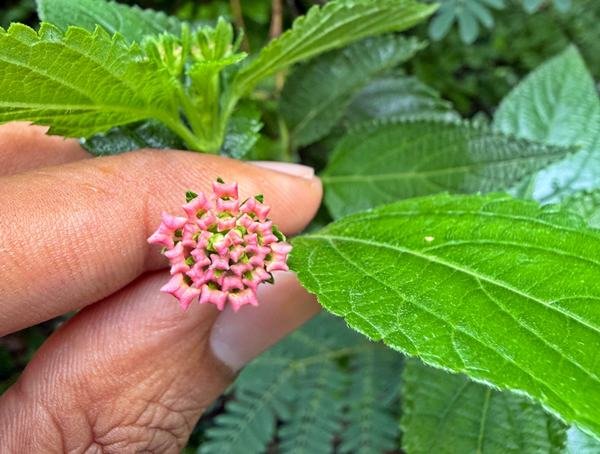
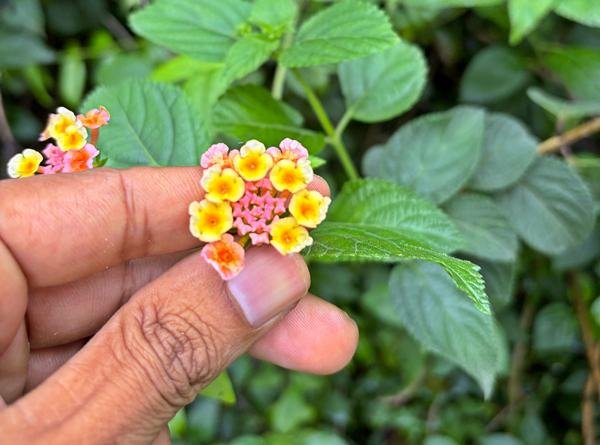
What worked best for me is digging the roots out and then planting other local plants or just making sure new growths don’t happen. However, this is possible only if you have a limited spread. In larger areas, digging the roots our or even burning them may not be effecient.
I haven’t used any chemicals on these but on mature bushes, even the hardest weedicides and herbicides don’t work. However, in my research, I have found that herbicides with active ingredients like glyphosate, triclopyr, metsulfuron-methyl, and aminopyralid can help control the spread.
Still the best way remains the methods that don’t create the degraded habitats. If you maintain a place an stop the growth of Lantana (if any) in earlier stages, you can easily control. However, once it is fully grown, you only end up with the harder ways like cutting the stems and digging up the roots or using other local solutions that you may find.
Benefits of Lantana Camara
Just because Lantana is an invasive species doesn’t mean it has no use in the nature. Everything has a purpose in the environment and Lantana is an exceptional plant in that term.
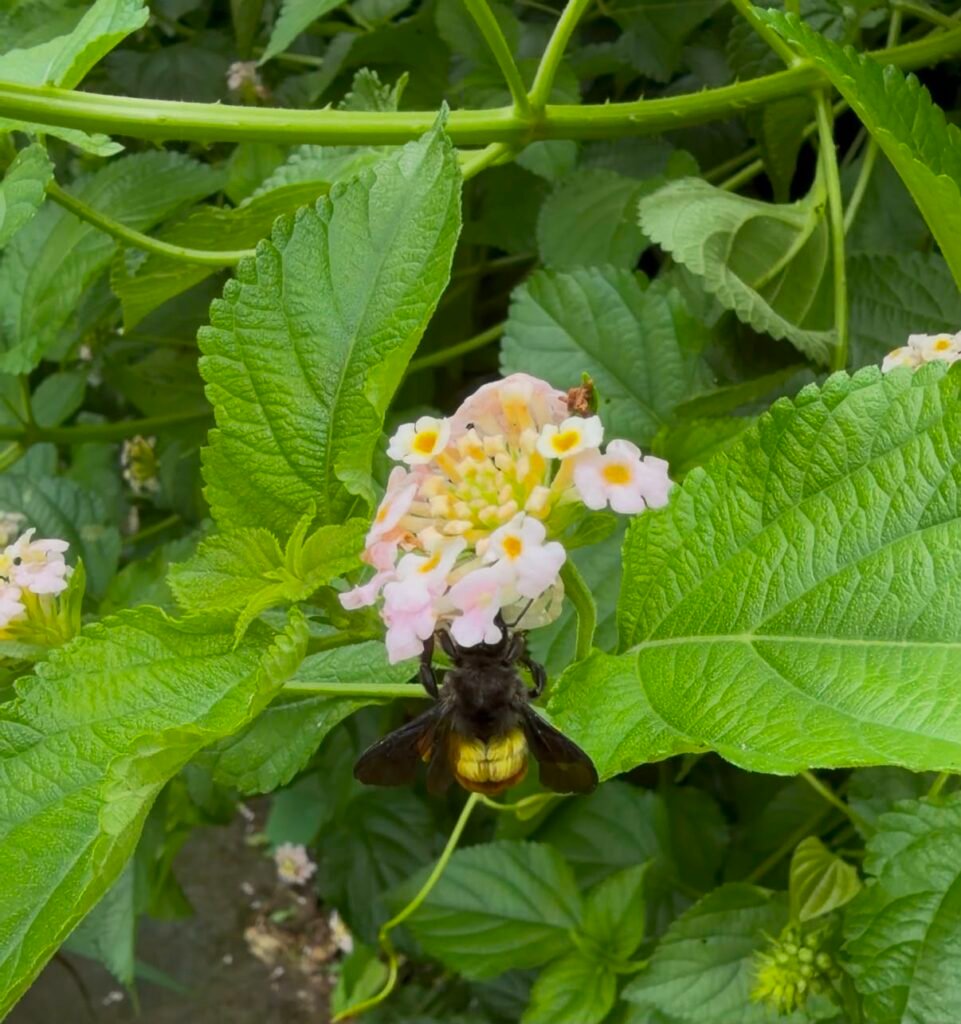
First of all, it is an excellent nectar source for pollinators. It attract a wide variety of pollinators like butterflies, honey bees, native bees, hoverflies, moths, wasps, and Hummingbirds (in the Americas). Unlike other flowers that bloom only for a few weeks, Lantana can flower for several months providing almost year around food source for these insects and birds.
The fleshy fruit or the lantana berries is an important food source for birds. The riper berries turn purple or black and they attract different birds like Robins, starlings, pigeons, Mynas, and Bulbuls etc. Now, because birds eat these berries, it becomes a major reason Lantana Camara spreads so effectively in many countries.
Lantana is one of the best plant if you want to attract butterfiles to your garden. Some common butterflies that are attracted by this plant are common mormon, common lime, plain tiger, blue tiger, common crow, and painted lady.
Once planted, lantana requires very little supplemental watering. This makes it great drought tolerant landscaping plant for rock gardens, roadside landscaping, coastal landsapes, and hot/dry climates. It can grow very well in rocky and sandy soils, gravelly slopes, and even nutrient-poor soils.
Medicinal Uses of Lantana
Modern research identifies various bioactive compounds in the plant. However, medicinal potential should not be confused with the proven clinical effectiveness. Some studies are there but htye are limited to laboratory or animal experiments.
Some important phytochemicals in Lantana include Lantadenes (A, B, C, D), Flavonoids, Phenolic compounds, Essential oils, Tannins, and saponins.
In folk medicine, Lantana leaves are used to heal cuts, wounds, and other skin infections. The roots are known to be good for fever, toothache, and digestive disorders, The flowers are used for coughs, colds, and respiratory problems. But, these applications are not proven and should not be done by anybody without professional help.
Conclusion
Whether you love or hate Lantana Camara. It is an interesting plant. I love reading about it and seeing it’s behaviour near my home. Over time, I have learned how I can eliminate it if I want or just leave it for other creatures to for feeding purposes. However, it surely is a problem in lower and mid Himalayan regious and surely other parts of the world.
I will keep reading more about it and adding things to this article. Until then, Bye!
I show reel about lantana camara .. it’s really informative and interesting.. keep going
Thank you. I am happy you also came to the article and took time to comment.