
So, I live in an area where there is an abundance of loose sandstone and conglomerate. At first, they look similar, especially if the conglomerate has fewer insertions of stone and pebbles. However, when I go outside, I can easily distinguish them because the sandstones are almost plain without any stones, while the conglomerates are packed with a lot of large and small pebbles.
Both of these are sedimentary rocks. Also, both are found in river valleys, cliffs, and mountain ranges, and both formed from broken pieces of older rocks. However, we can easily distinguish them just by looking at the size and shape of particles locked inside them.
The difference says much about their formation. It tells how fast the water was flowing millions of years ago and how far the sediment traveled. We can also tell the type of landscape that existed before the rock was formed.
Both are formed from the process called lithified detritus.
What Are Sandstone and Conglomerate?
Both of these are clastic sedimentary rocks. Both of these form through weathering, transport, compaction, and cementation. However, the biggest difference between the two is the size of the sediment particle.
Sandstone is formed from sand with grain sizes between 0.0625 and 2 mm. So, they will be well to moderately sorted, and grains are easily seen with a hand lens. Sandstone commonly contains quartz, feldspar, and rock fragments.
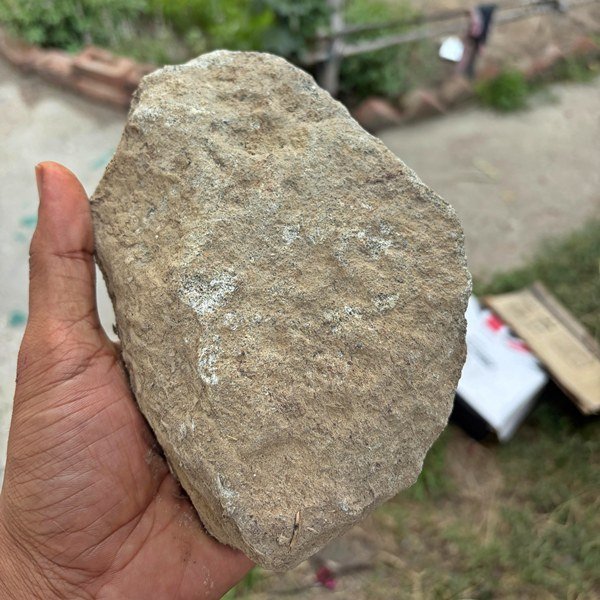
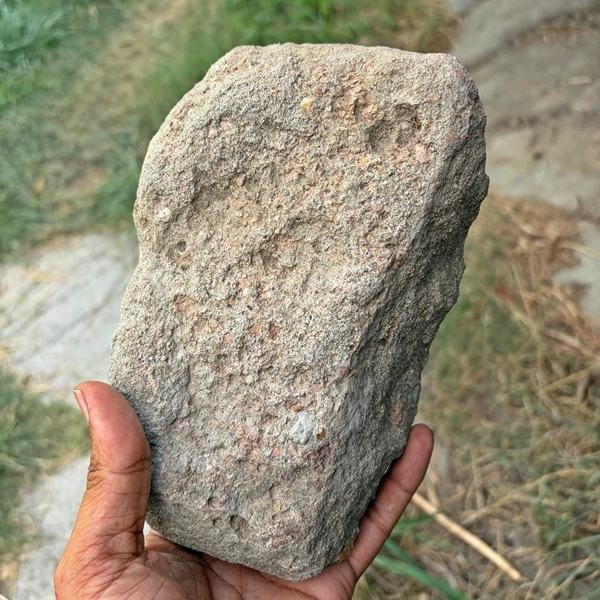
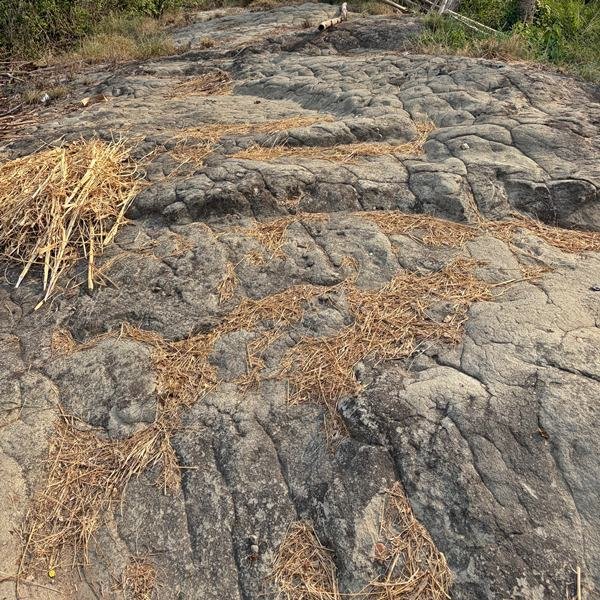
Conglomerate, on the other hand, will be formed from the gravel of grain size larger than 2mm. They are poorly sorted with visibly large pebbles or boulders. Conglomerates generally contain rounded pebbles of many rock types, cement, and a sand matrix.
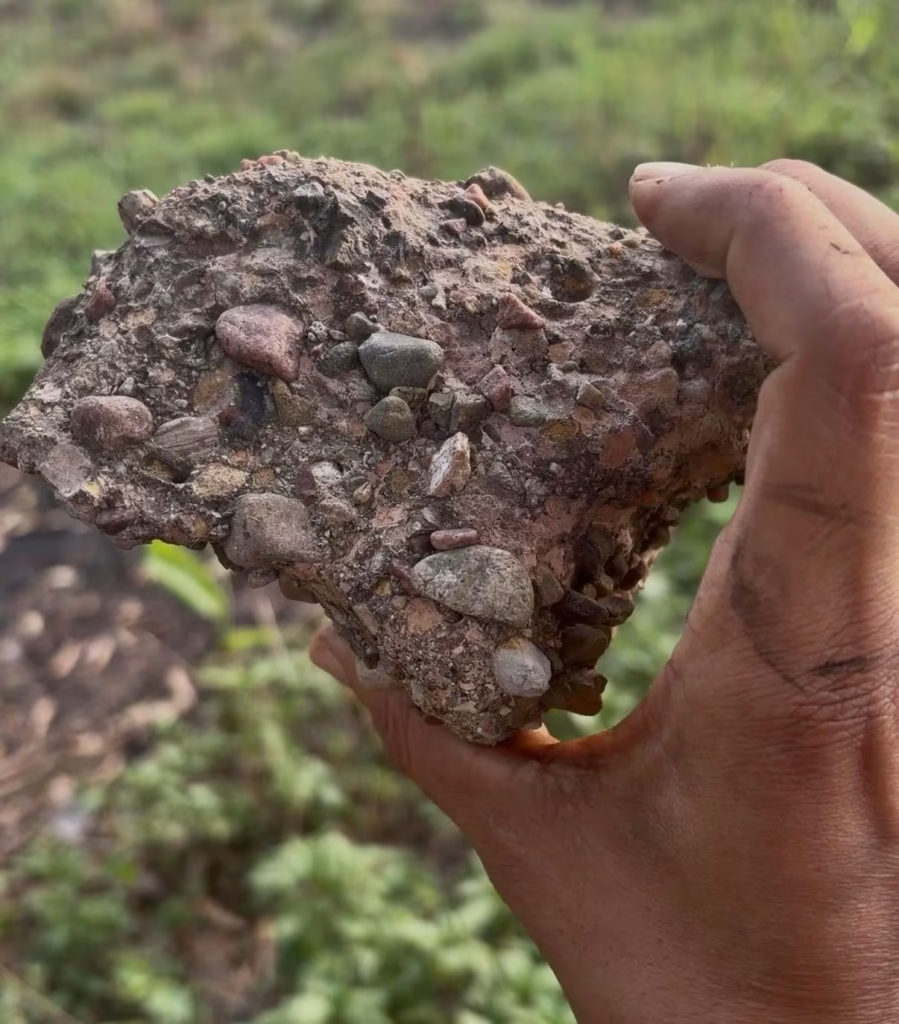
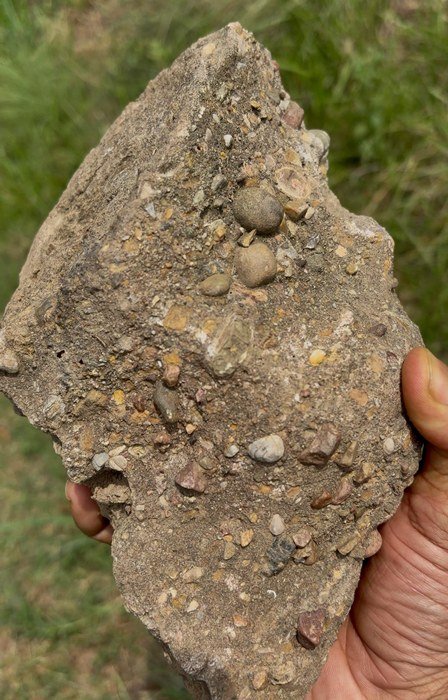
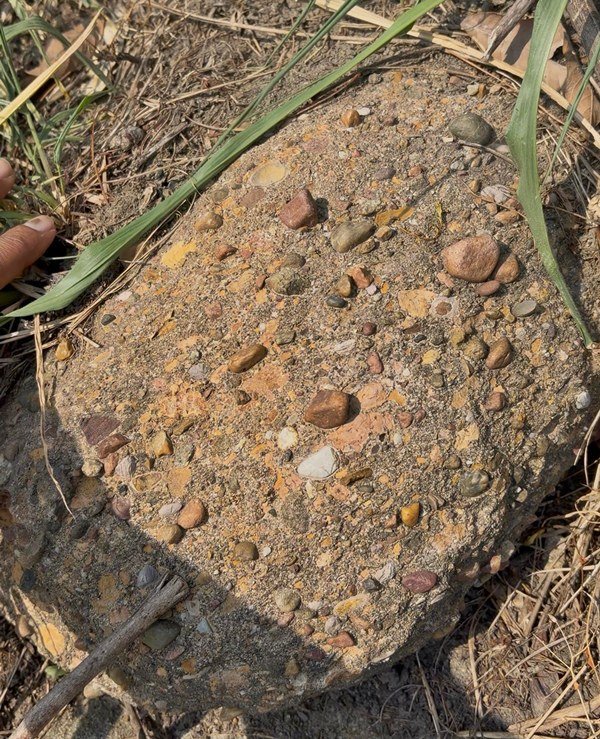
The texture of a sandstone is relatively smooth, while the conglomerate is generally coarser. The transport distance also impacts the surface of the conglomerate.
What does their grain reveal about ancient environments?
So, recently I posted a reel on conglomerates on my Instagram. The idea was that if you find a conglomerate while on a walk, just know that you are walking on a prehistoric flood zone.
But what does that mean?
It means that a conglomerate usually indicates mountain rivers, alluvial fans, and fast-flowing streams. Slow-moving rivers lack the kinetic energy to transport and deposit massive, heavy gravel or boulders.
However, sandstone often indicates beaches, deserts, river channels, and shallow seas. They require less water velocity to move than conglomerate pebbles, indicating steady, medium-speed currents.
The grain size is important because a river can only move each particle if it has enough energy. Large pebbles require fast-moving water. On the other hand, sand requires only moderate energy. The shape of the grains tells another story related to the transport distance.
When the rocks first break apart, the fragments are usually angular, but as they travel in rivers, waves, and glaciers, they get smoother and rounder. Well-rounded grains usually traveled farther. Angular grains genreally remained close to the source.
Common uses of both
Sandstone is widely used in building stones, paving, monuments, and landscaping. However, conglomerates are used for geological studies, decorative stone, and sometimes as groundwater and petroleum reservoirs.
Frequently Asked Questions
Is conglomerate stronger than sandstone?
Not necessarily. A rock’s strength depends more on how well it is cemented than on its grain size. Both sandstone and conglomerate can range from relatively weak to very strong.
Can sandstone contain pebbles?
No, true sandstone cannot contain pebbles. By definition, sandstone is made up of sand-sized grains between 0.0625 mm and 2 mm in diameter. If a rock contains a significant amount of rounded particles larger than 2 mm, it is classified as a conglomerate rather than a sandstone.
Is conglomerate older than sandstone?
Neither of these rocks is inherently older than the other. Both of these are formed throughout Earth’s history and continue to form today. Their age depends entirely on when the sediment was deposited and not the type of rock itself.
Is conglomerate the same as concrete?
Although they look similar, they are not the same. Conglomerate is a natural sedimentary rock formed over thousands of years by the cementation of rounded gravel and other sediment. However, concrete is human. In fact, there should be no comparison between the two.